
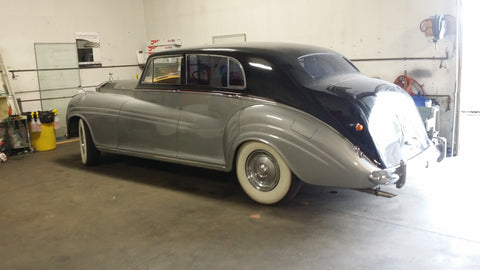
The Rolls Project
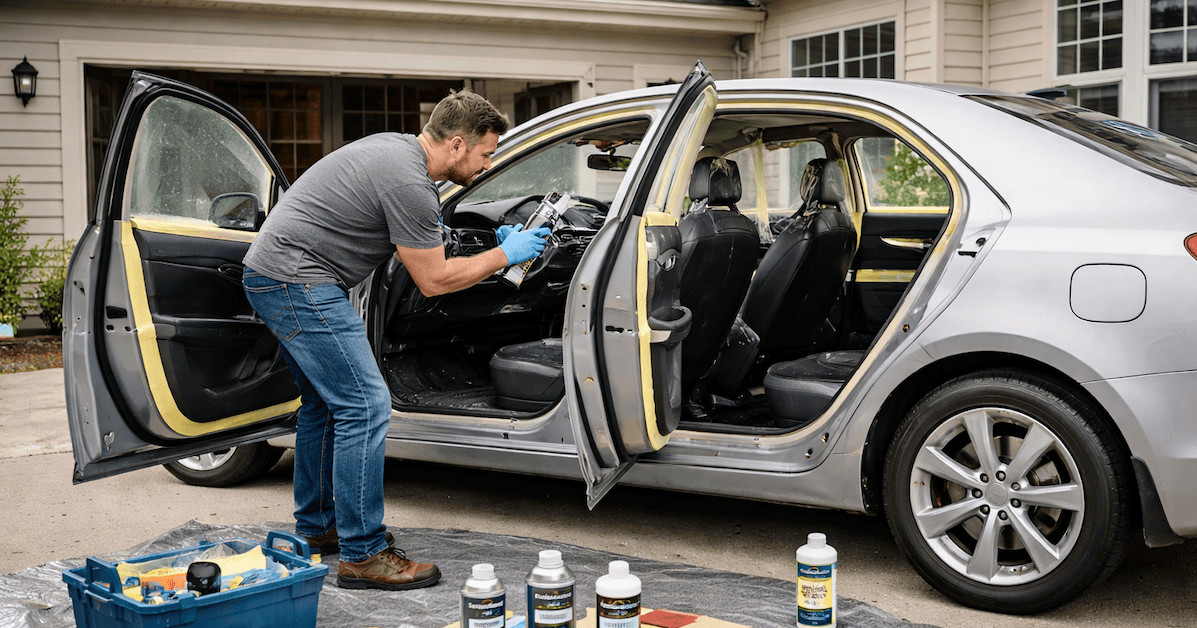
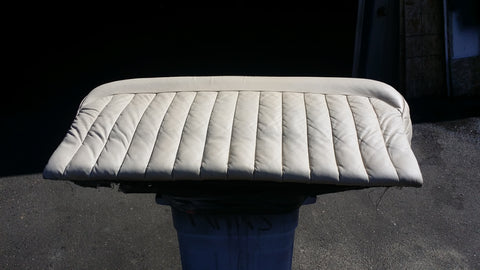
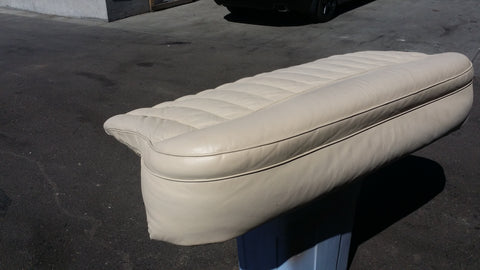
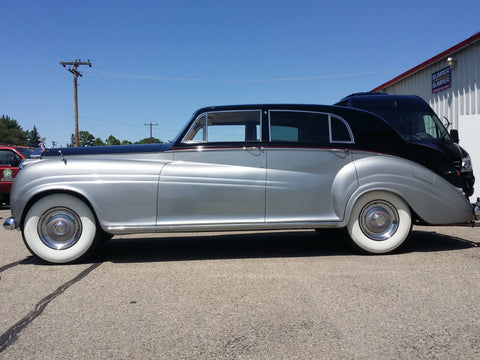
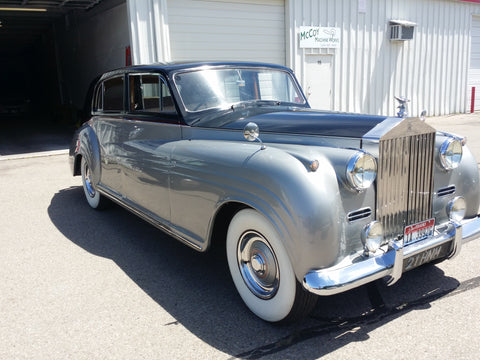
A custom car interior color change is rarely about doing something flashy. They are usually about restoring balance, bringing worn materials back to life, or updating a vehicle’s interior without losing what made it special in the first place. That was the goal behind this project, a carefully executed car interior color change designed to look intentional, refined, and factory-correct.
Rather than replacing expensive interior components, this project focused on transforming existing leather, vinyl, and plastic surfaces using ColorBond LVP OE. The result was a cohesive interior color change that preserved original textures and elevated the overall look without sacrificing comfort or authenticity.
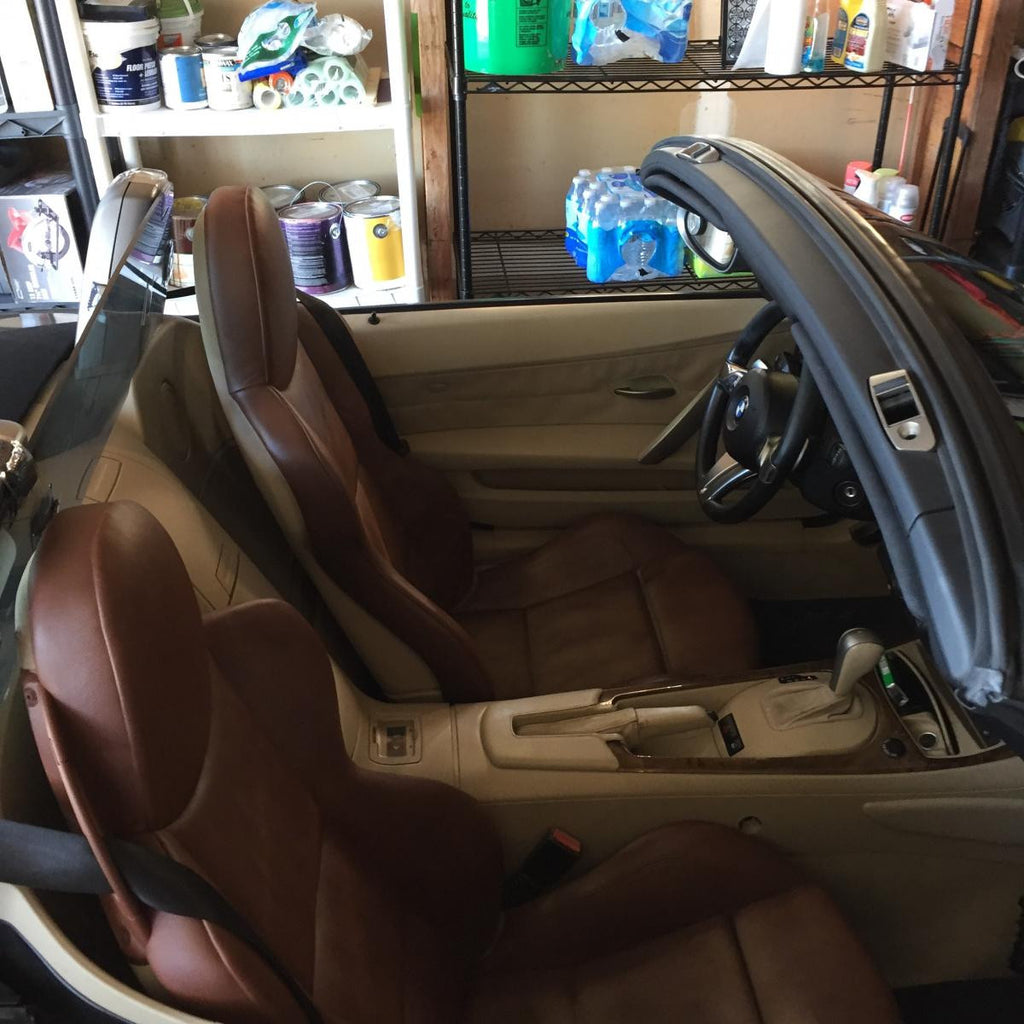
BEFORE
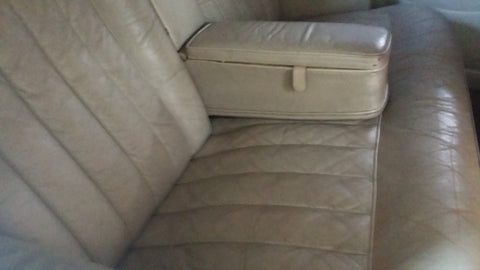
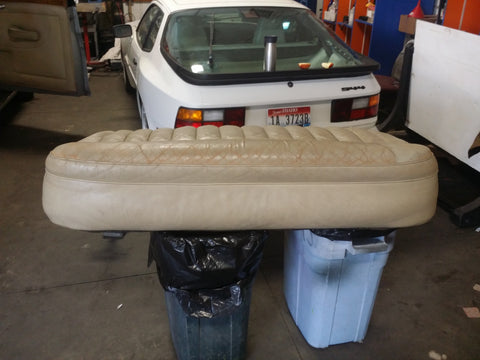
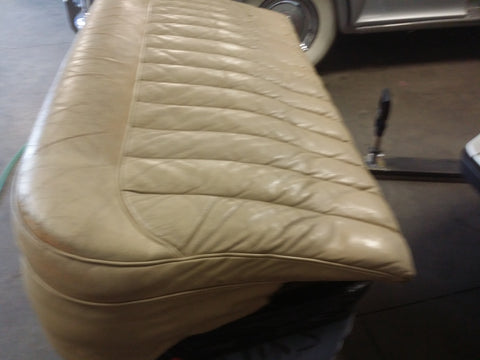
AFTER
Why Car Interior Color Change Is Different from Exterior Work
Interior materials behave very differently from exterior panels. Leather flexes, vinyl stretches, and plastic trim expands and contracts with temperature changes. These surfaces are constantly touched, sat on, and exposed to friction. Any interior color change has to account for those factors.
Unlike exterior refinishing, interior restoration is not just about appearance. The finish must move with the material, withstand regular use, and preserve the original grain and texture of the surface. When those details are ignored, interiors often end up looking stiff, artificial, or prematurely worn.
What Is the Best Product for a Car Interior Color Change?
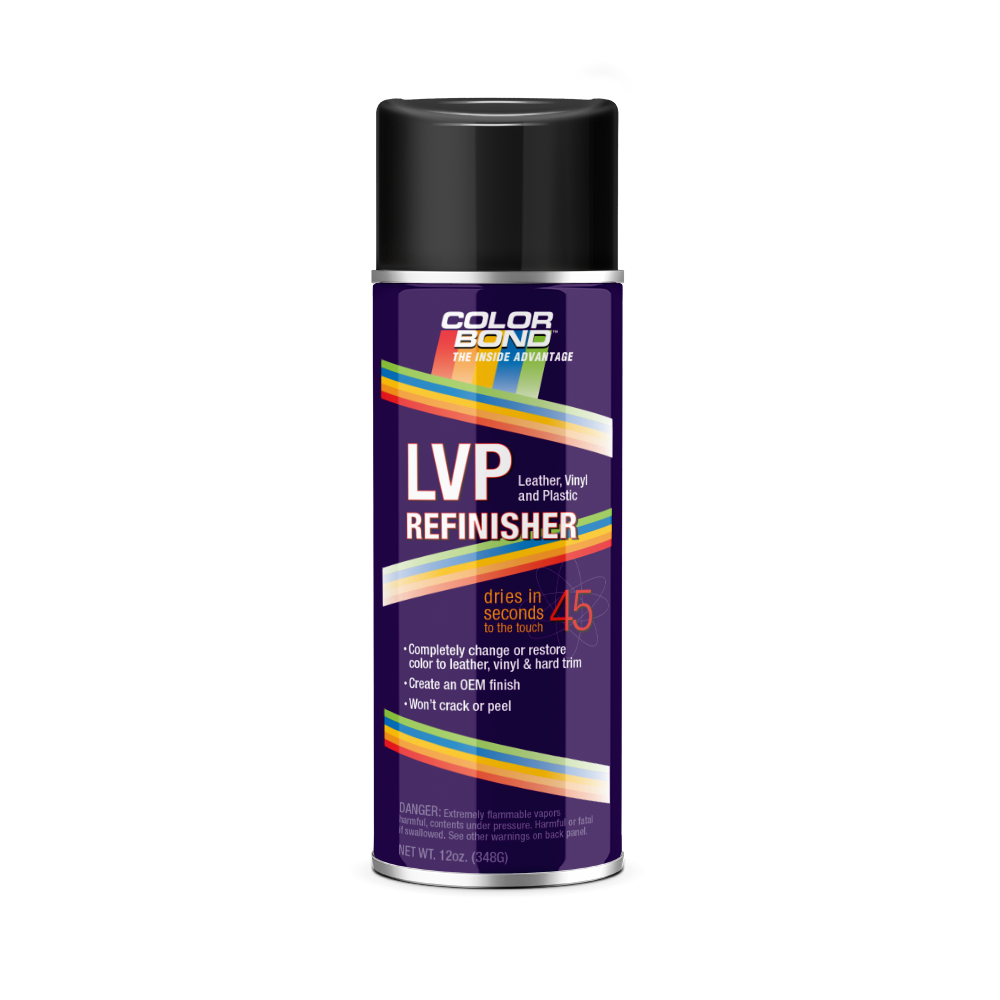
A successful interior color change starts with using a product designed specifically for automotive interiors. ColorBond LVP OE is an elastomeric coating formulated to bond to leather, vinyl, and plastic while maintaining flexibility over time.
Instead of just sitting on top of the surface, ColorBond LVP OE bonds to the material itself. This allows the interior to retain its original texture and comfort. Seats remain supple, panels feel natural to the touch, and trim maintains a clean, factory-like appearance.
How to Prepare Interior Automotive Surfaces for a Color Change
Before any coating was applied, proper surface preparation was critical. Interior surfaces accumulate oils, dirt, and residue from cleaners and conditioners over time. Even when a surface looks clean, those contaminants can interfere with adhesion.
The interior components were thoroughly cleaned using ColorBond LVP Prep Cleaner. This step removed built-up grime and residue while preparing the surface for consistent bonding. Skipping or rushing prep is one of the most common reasons interior projects fail, so this stage received the attention it deserved.
Once cleaned, surfaces were allowed to dry completely before moving forward. This ensured the coating would bond evenly and perform as intended.
How Do You Apply Color Coating to Interior Surfaces?
The application process focused on patience and control. Light, even coats were applied in multiple passes rather than trying to achieve full coverage all at once. This approach helps preserve the original grain of the leather and vinyl while creating a smooth, consistent finish.
Between coats, the surface was given time to settle before additional layers were applied. Allowing each pass to set properly helps prevent runs, uneven texture, and buildup that can compromise flexibility.
This method takes more time than heavy application, but the difference is visible in the final result. The interior surfaces look refined and uniform, not thick or overcoated.
Allowing Proper Cure Time
After application, the interior was given adequate time to cure before returning the vehicle to regular use. While surfaces may feel dry relatively quickly, full curing is essential for long-term durability.
Allowing the coating to fully cure helps ensure it resists wear, maintains flexibility, and performs under everyday conditions. Rushing this step can undermine even the best application work.
Get Started with ColorBond Today!
Ready to get started on your own car interior color change? ColorBond makes it possible to achieve professional-quality results without sacrificing durability or authenticity. When done correctly, an interior color change can feel just as refined as the vehicle itself.