
Why Not to Use Spray Paint on Automotive Interiors
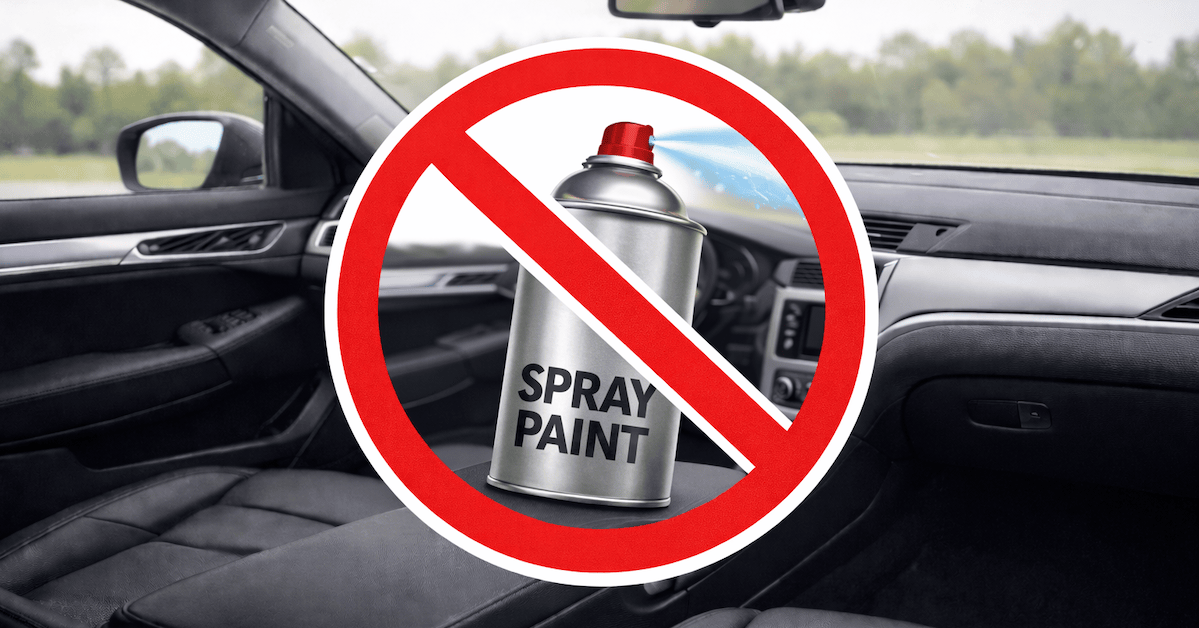
Using spray paint on automotive interiors might seem like a fast, inexpensive way to fix faded seats or scuffed panels, but it almost always creates more problems than it solves. Automotive interiors are not built like other surfaces. They flex, heat up, cool down, and come into constant contact with hands, clothing, and sunlight. Standard spray paint is not engineered for that environment, which is why the results rarely last and often look worse over time.
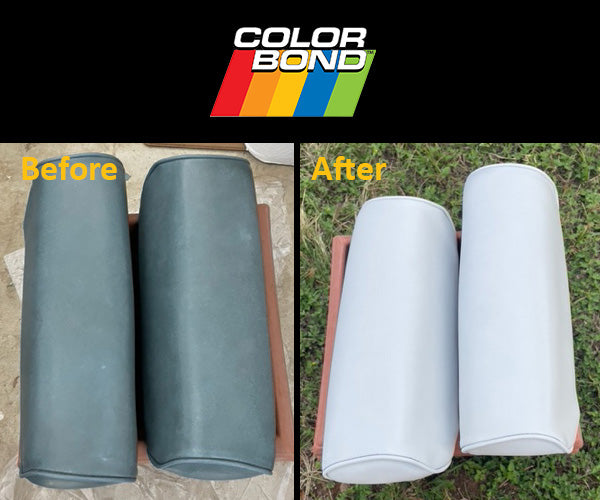
ColorBond LVP OE is specifically designed for those exact conditions. Instead of sitting on the surface like paint, ColorBond is an elastomeric coating that bonds with interior materials, flexes with use, and preserves the surface’s original look and feel. Understanding why spray paint fails makes it clear why ColorBond consistently delivers better, longer-lasting results.
8 Reasons You Shouldn’t Use Spray Paint on Automotive Interiors
Using spray paint on automotive interiors may seem like a simple fix for faded or worn surfaces, but vehicle interiors demand far more than standard paint can deliver. From constant flexing to heat, UV exposure, and daily contact, interior materials require a solution designed specifically for those conditions. Below are the most important reasons spray paint fails when used inside a vehicle, and why ColorBond LVP OE performs differently.
1. Spray Paint Is Rigid and Cannot Flex With Interior Materials
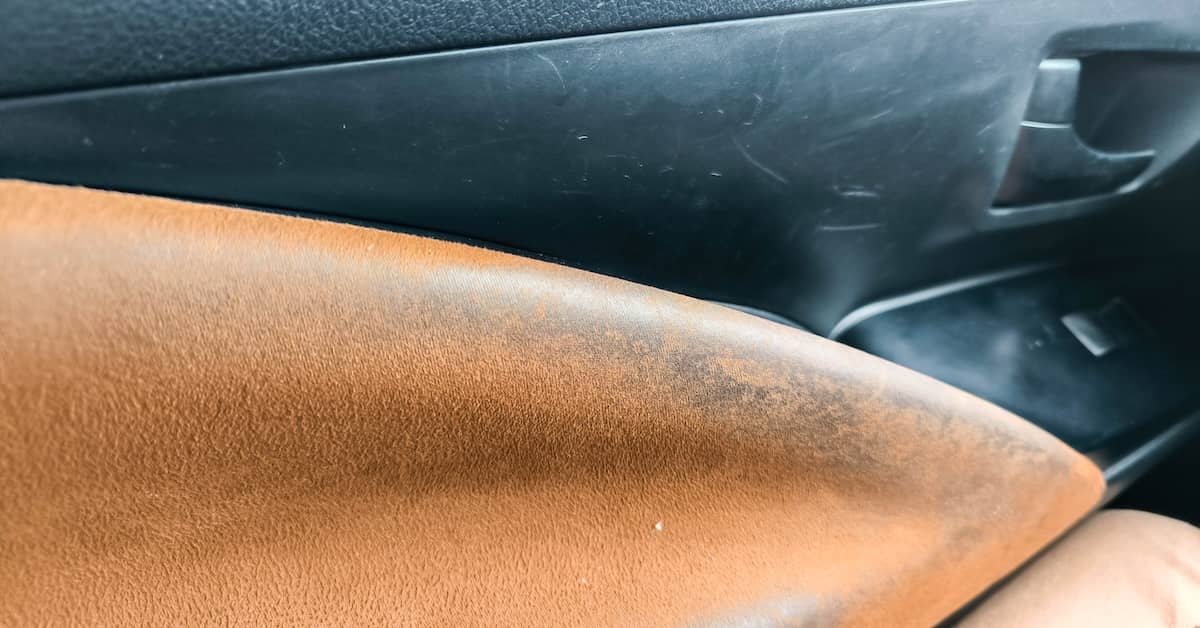
Leather and vinyl surfaces are designed to stretch and compress during normal use. Spray paint dries into a hard, inflexible layer that cannot move with these materials. As seats flex and panels shift, the coating begins to crack, wrinkle, and eventually peel away. This rigidity is one of the biggest reasons spray paint on automotive interiors fails so quickly.
ColorBond LVP OE, by contrast, is formulated to remain flexible after application. It moves with seats, panels, and trim instead of resisting that motion, which helps prevent cracking even in high-use areas.
2. Spray Paint Has Poor Adhesion to Interior Surface Materials
Most spray paints are designed to sit on top of a surface rather than bond with it. Automotive leather and vinyl contain oils and plasticizers that prevent proper adhesion. Without molecular bonding, spray paint is far more likely to chip, flake, or rub off, especially on seat bolsters, steering wheels, and armrests.
ColorBond LVP OE chemically bonds to leather, vinyl, and interior plastics. This molecular-level adhesion allows the coating to stay in place under daily wear instead of lifting or flaking.
3. Spray Paint Fills and Destroys Natural Texture
Leather and vinyl have a defined grain that gives automotive interiors their premium appearance. Spray paint fills that grain instead of coating around it. Even light coats gradually flatten the surface, leaving it smooth, artificial-looking, and stiff. Once the texture is filled in, it cannot be restored, making spray paint on automotive interiors a permanent downgrade rather than a repair.
ColorBond LVP OE is designed to be thin yet durable, allowing the original texture and grain to remain visible and tactile. The result looks and feels factory-correct, not painted.
4. Spray Paint Breaks Down Under Heat and UV Exposure
Vehicle interiors experience extreme temperature swings and constant sun exposure. Spray paint is not formulated to withstand those conditions long term. Over time, it fades unevenly, becomes brittle, and may discolor or chalk. This breakdown happens much faster inside a vehicle than on exterior or household surfaces.
ColorBond LVP OE is engineered for interior environments, offering resistance to heat and UV exposure so color stays consistent and intact over time.
5. Spray Paint Wears Off Quickly in High-Contact Areas
Interior surfaces are touched constantly. Sliding in and out of seats, gripping the steering wheel, and resting arms on panels all create friction. Spray paint on automotive interiors cannot handle that level of contact. It scuffs, rubs through, and peels far sooner than expected.
Because ColorBond LVP OE bonds to the surface and remains flexible, it holds up far better in high-contact areas, maintaining both appearance and coverage with normal use.
6. Spray Paint Creates an Unnatural, Painted Appearance
Even when applied carefully, spray paint often leaves interiors looking glossy, stiff, or uneven. Edges build up excess material, while textured areas lose definition. Under direct light, the surface looks obviously painted rather than original, drawing attention to the repair instead of blending in.
ColorBond LVP OE is designed to replicate OEM finishes. The color lays evenly, sheen remains consistent, and repairs blend naturally into surrounding surfaces.
7. Spray Paint Has a Short Lifespan and Requires Rework
What starts as a quick fix often turns into a recurring problem. As spray paint fails, touch-ups become necessary. Each reapplication adds thickness, reduces flexibility, and accelerates future failure. Over time, spray paint on automotive interiors creates more work and more damage rather than a lasting solution.
ColorBond LVP OE is designed to be applied once and last. Its durability eliminates the cycle of constant rework that spray paint creates.
8. Spray Paint Can Lower the Value of the Vehicle Interior
A poorly aging interior finish is easy to spot. Cracks, peeling edges, and flattened texture signal shortcuts and reduce perceived quality. Whether you plan to keep the vehicle or sell it, spray paint on automotive interiors can negatively impact the interior’s appearance and value.
A properly restored interior using ColorBond LVP OE maintains a factory-quality look that enhances overall presentation instead of detracting from it.
Get Started with ColorBond Today!
If you want an interior restoration that lasts, the product you choose matters. Spray paint on automotive interiors may offer short-term color, but it cannot deliver durability, flexibility, or a factory-quality appearance. ColorBond LVP OE is engineered specifically for leather, vinyl, and interior plastics, allowing it to bond properly, flex with materials, and preserve original texture.
Whether you are repairing worn seats, refreshing faded panels, or restoring an entire interior, ColorBond LVP OE provides professional results without constant rework. Explore ColorBond’s 150 OEM-matched colors and get started on your next project today!